
Google Maps Media Controls Removed – A Complete Guide to the Shocking Change and Its Real Impact on Users

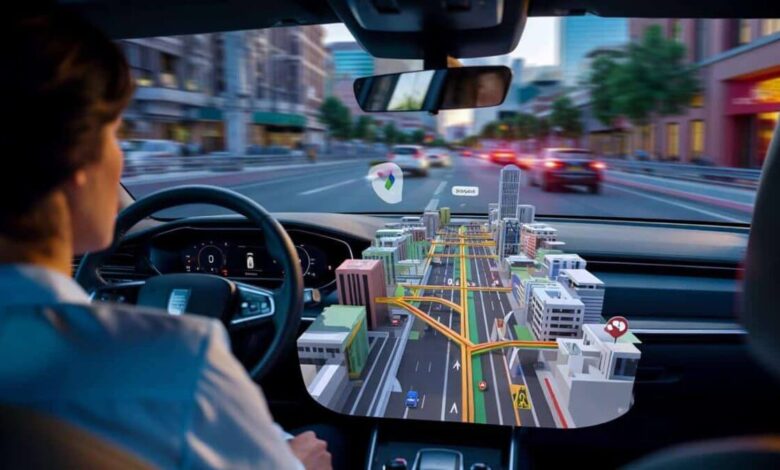
Google Maps media controls removed has quickly become a trending topic among users who rely heavily on seamless navigation and in-app media playback. This change has sparked a wave of reactions—some praising the cleaner interface, while others expressing frustration over the loss of convenience. As users increasingly multitask during travel, the absence of integrated media controls introduces both advantages and drawbacks.
We explore this update in detail, examining its real-world impact, hidden benefits, and potential limitations. By understanding what has changed and why, users can adapt more effectively and continue to use Google Maps efficiently.
What Does “Google Maps Media Controls Removed” Mean?
The phrase refers to the removal of built-in music playback controls that previously allowed users to control apps like Spotify or YouTube Music directly within Google Maps. These controls used to appear during navigation, enabling users to:
- Play or pause music
- Skip tracks
- Switch playlists
Now, these features are either limited or entirely absent, depending on device and version.
Why Google Maps Removed Media Controls
A Cleaner User Interface
One of the main reasons behind this update is the desire to simplify the user interface. By removing extra overlays, Google Maps becomes less cluttered, allowing users to focus solely on navigation.
Performance Optimization
Media controls consume background resources. Their removal helps improve:
- App speed
- Battery efficiency
- System stability
Shift Toward System-Level Integration
Instead of in-app controls, the focus is now on system-level media controls available in the notification panel or lock screen. This shift aligns with modern mobile design trends.
Positive Impact of Removing Media Controls
1. Improved Navigation Focus
Without distractions, drivers can concentrate better on directions. This enhances safety and reduces the risk of missing turns.
2. Faster App Performance
The absence of additional features means less lag and smoother transitions, especially on older devices.
3. Reduced Battery Consumption
Background integrations often drain battery life. Removing them contributes to longer usage time.
Negative Impact of This Change
1. Reduced Convenience
Users now have to switch between apps to control music, which can be frustrating during driving.
2. Increased Distraction Risk
Ironically, removing in-app controls may force users to manually open music apps, increasing distraction.
3. Loss of Seamless Integration
The previous integration allowed a smooth, unified experience. Its absence disrupts workflow.
How Users Can Adapt to This Change
Use Notification Panel Controls
Most smartphones allow media control directly from the notification shade, making it a viable alternative.
Voice Commands
Voice assistants can be used to:
- Change tracks
- Pause music
- Adjust volume
This reduces manual interaction.
Use External Devices
Car systems with built-in media controls can compensate for the missing feature.
Related Keywords and Their Role
To better understand the topic, several related keywords are important:
- Google Maps update 2026
- media playback removed navigation apps
- Google Maps features removed
- music controls not working Google Maps
- Google Maps UI changes
Using these terms helps users stay informed about ongoing updates and trends.
Quick Bio: Google Maps Evolution
Google Maps is one of the most widely used navigation platforms globally. Over the years, it has evolved from a simple map service to a feature-rich ecosystem offering:
- Real-time traffic updates
- Offline navigation
- Location sharing
- Business listings
The removal of media controls is just one of many updates aimed at refining user experience.
User Reactions: Mixed but Meaningful
Positive Sentiments
Some users appreciate the minimalist design and improved performance. They believe the app should focus solely on navigation.
Negative Sentiments
Others feel that removing media controls has made the app less practical, especially for long drives.
What This Means for the Future of Navigation Apps
This change indicates a broader trend:
- Apps are becoming more specialized
- Integration is shifting to operating systems
- User experience is being streamlined
We can expect more updates that prioritize efficiency over feature overload.
Conclusion
The decision behind Google Maps media controls removed reflects a shift toward simplicity and performance. While the update brings clear advantages like improved speed and reduced clutter, it also introduces notable inconveniences for users who relied on integrated media features.
Ultimately, adapting to this change requires embracing alternative solutions such as voice commands and system-level controls. As technology evolves, so must user habits.
FAQ
Why were media controls removed from Google Maps?
Google removed media controls to create a cleaner interface and improve performance. By eliminating extra features, the app runs faster and consumes fewer resources.
At the same time, this shift encourages users to rely on system-level controls, which are more consistent across apps. While this improves efficiency, it reduces in-app convenience.
Can I still control music while using Google Maps?
Yes, users can still control music using the notification panel or lock screen controls. These options are available on most modern smartphones.
Additionally, voice assistants provide a hands-free solution, allowing users to manage playback without leaving the navigation screen.
Is there a way to bring back media controls in Google Maps?
Currently, there is no official way to restore the old media controls within the app. Google has not provided a setting to re-enable this feature.
However, users can explore third-party apps or system integrations that replicate similar functionality, though results may vary.
Does this change affect all devices?
The update may vary depending on the device, operating system, and app version. Some users might still see limited controls.
In general, most updated versions of Google Maps have reduced or removed media integration, making it a widespread change.
Will Google bring back media controls in the future?
There is no confirmed information about the return of media controls. However, user feedback plays a significant role in shaping future updates.
If enough users demand the feature, Google may introduce a refined version with better integration.