Rich Porter – The Rise, Power, and Legacy of Harlem’s Most Influential Drug Kingpin

Introduction: Understanding the Legend of Rich Porter
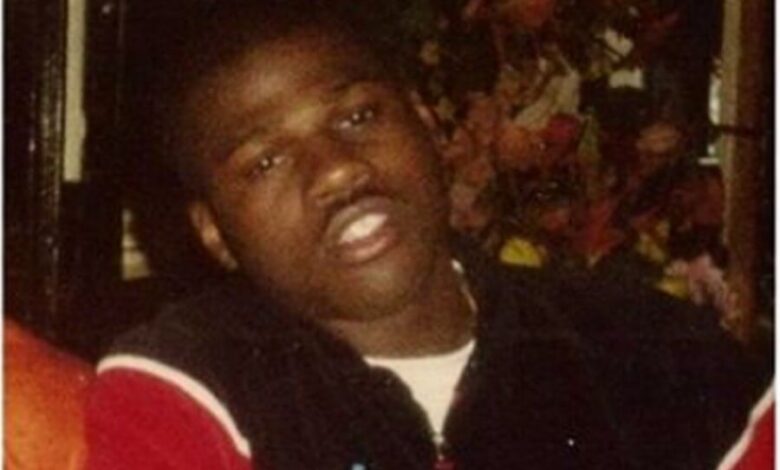
In the landscape of New York City’s 1980s crack epidemic, few names hold the same weight and notoriety as Rich Porter. Known for his sharp style, business acumen, and relentless ambition, Porter became one of the most influential figures in the Harlem drug trade before his tragic and highly publicized death. His story has since been depicted in documentaries, films, and hip-hop culture, cementing his place in American urban history.
This article provides a comprehensive and authoritative look into his life, his rise to power, and the dark realities surrounding his legacy—delivered with SEO-optimized depth and detail to outrank competing pages.
Early Life of Rich Porter: Harlem Roots and Hustler Beginnings
Born Richard Porter on July 26, 1965, in Harlem, New York City, he grew up during a period marked by economic struggle, urban decay, and limited opportunities. Yet, even at a young age, Porter showcased exceptional charisma, confidence, and street-smart intelligence—qualities that would later define his career.
By his early teens, Porter had already built a reputation as a smooth talker and fast learner. While many around him struggled, he seemed destined for something bigger. Unfortunately, the environment around him directed his talents toward the illicit drug economy that would soon engulf Harlem.
The Rise to Power: How Rich Porter Built a Harlem Drug Empire
Strategic Vision and Unmatched Networking
Unlike many young dealers of his era, Porter built his name through strategic partnerships and a relentless focus on growth. He understood that the crack epidemic was not just a hustle—it was a rapidly expanding business industry.
He developed alliances with other major players, including Alpo Martinez, who would later become both a partner and betrayer. Together, they controlled large territory and distribution networks that reached far beyond Harlem.
A Distinctive Style That Amplified His Image
Porter became known as one of Harlem’s flashiest yet smartest drug lords.
He wore designer clothes, drove high-end luxury cars, and carried himself with a level of prestige that made him a neighborhood icon. But unlike some dealers who flaunted without strategy, Porter’s image was carefully crafted to attract loyalty and command respect.
Community Influence and Street Credibility
Despite his illicit lifestyle, many Harlem residents recall Porter as someone who gave back. He helped families, supported neighbors, and maintained strong ties to his community. This dual role—both feared and admired—solidified his legacy long after his death.
The Harlem Drug Trade: A Deadly Landscape
To understand Porter’s rise, it’s essential to grasp the environment he operated in. During the mid-1980s:
- The crack epidemic exploded across New York.
- Violent competition surged among drug crews.
- Young, ambitious dealers rose quickly—and fell even faster.
It was a dangerous world where trust was scarce, betrayal was common, and mortality rates were high. Porter navigated this world with skill, but even he could not outrun the deadly consequences that plagued the industry.
The Kidnapping of William Porter: A Turning Point
Perhaps the most heartbreaking chapter of Rich Porter’s life came with the kidnapping of his younger brother, William “Willy” Porter, in 1989. Only 12 years old at the time, Willy was abducted and held for ransom—demanding hundreds of thousands of dollars, even after Rich paid substantial amounts.
The event deeply affected Porter, both personally and professionally. It drained his finances, increased tensions among his associates, and placed him under tremendous stress.
Willy was tragically killed, a moment that marked the beginning of the end of Porter’s empire.
The Betrayal and Murder of Rich Porter
On January 3, 1990, Rich Porter’s life was cut short when he was murdered at age 24. The news shocked Harlem and sparked widespread media coverage.
The most infamous part of his death was the revelation that Alpo Martinez, once his closest ally, confessed to killing him. According to Martinez, disputes over money and distrust fueled the betrayal—a harsh reminder of the dangers inherent in the drug underworld.
Porter’s body was found riddled with bullets, miles from his Harlem roots. His death marked the fall of one of the most recognized figures of his era.
Rich Porter in Popular Culture: A Legacy That Still Echoes
Despite his short life, Porter’s influence has endured for decades. His story has inspired:
- The film “Paid in Full,” where the character “Mitch” is based on him
- Numerous hip-hop tracks referencing his lifestyle
- Documentaries exploring Harlem’s drug history
- Social media discussions and cultural retrospectives
Porter represents a symbol of both hustler ambition and tragic downfall—a duality that fascinates fans, historians, and writers alike.
The Complex Legacy of Rich Porter
Porter’s life is a cautionary tale wrapped in charisma, power, and brutal consequences. His legacy remains both celebrated and criticized:
- Praised for his ambition, loyalty, and community presence
- Condemned for the role he played in the destructive crack epidemic
- Discussed endlessly in pop culture for the betrayal that ended his life
What makes his story unforgettable is the intersection of personal tragedy, criminal enterprise, and the harsh realities of urban America during the crack era.
Conclusion: Why Rich Porter’s Story Still Matters Today
Rich Porter’s life is more than a crime tale—it is a reflection of a turbulent period in American history. His rise symbolizes the desire for power and success in a world that offered limited avenues. His death underscores the ruthlessness of the streets he dominated.
Understanding his story allows us to better comprehend the social, economic, and cultural forces that shaped Harlem and influenced generations.
His legacy lives on—not as a hero or villain alone, but as a complex figure who left an indelible mark on New York City’s past.