Best At Home Teeth Whitening Kits: Powerful Smile Upgrade for Brighter, Cleaner-Looking Teeth

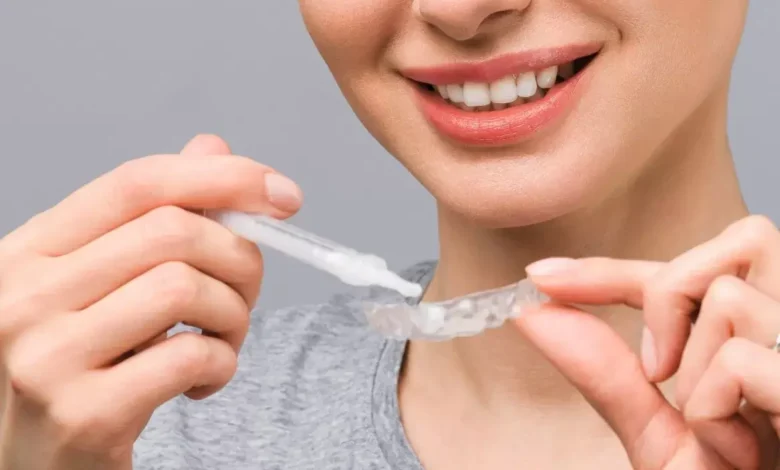
The demand for best at home teeth whitening kits has grown because many people want a brighter smile without visiting a dental clinic for every treatment. Coffee, tea, soft drinks, smoking, aging, and everyday food stains can slowly make teeth look dull. A good whitening kit can help reduce surface stains and improve the appearance of your smile when used correctly.
At-home whitening is convenient, private, and often more affordable than professional treatments. However, not every product gives the same result. Some kits work well, while others may cause sensitivity or uneven whitening if used carelessly. Understanding how these kits work helps you choose better and avoid common mistakes.
What Are At Home Teeth Whitening Kits?
At-home teeth whitening kits are products designed to lighten tooth stains outside a dental office. They may include whitening strips, LED whitening trays, gel pens, mouth trays, or whitening toothpaste combinations. Most kits use whitening agents that help break down stains on the tooth surface.
The best teeth whitening kits for home use are usually easy to apply, come with clear instructions, and are gentle enough for regular users. A positive point is that they offer comfort and flexibility. A negative point is that poor-quality kits may irritate gums or cause temporary tooth sensitivity.
How Do Teeth Whitening Kits Work?
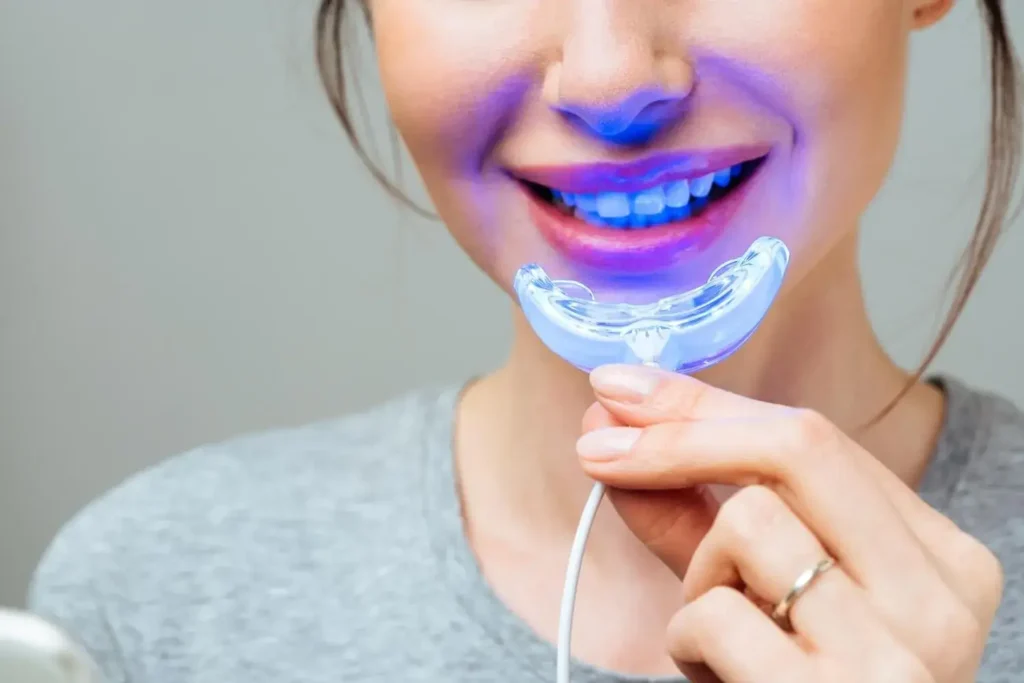
Most whitening kits work by using ingredients that target stains on enamel. These ingredients help lift discoloration caused by food, drinks, and lifestyle habits. Some kits also include LED lights, which are marketed to support the whitening process, though the whitening gel is usually the main active part.
Results depend on the type of stain, the strength of the formula, and how consistently the kit is used. Yellow-toned stains often respond better than gray or deep internal discoloration. People with crowns, veneers, fillings, or bonding should remember that whitening products usually do not change the color of dental restorations.
Types of Best At Home Teeth Whitening Kits
Whitening Strips
Whitening strips are among the most popular options because they are simple and affordable. They are thin strips coated with whitening gel and placed directly on the teeth for a set time.
They are good for beginners, but they may not cover every tooth evenly. If teeth are not straight, strips may miss some areas. Still, they remain one of the easiest choices for people who want visible improvement without complicated steps.
LED Teeth Whitening Kits
LED kits usually include a mouth tray, whitening gel, and a small light device. These kits are popular because they feel closer to a professional-style treatment at home.
They can be effective when used properly, but users should follow timing instructions carefully. Leaving gel on too long does not always mean better results. It may increase sensitivity instead.
Whitening Gel Trays
Gel tray kits use a whitening gel placed inside a mouth tray. Some trays are universal, while others may be moldable. This type can provide better coverage than strips when the tray fits well.
The downside is that messy application can cause gel to touch the gums. Too much gel may lead to irritation. A properly fitted tray gives a more controlled experience.
Whitening Pens
Whitening pens are small, portable, and easy to use. They are useful for quick touch-ups or maintaining results after using a stronger kit.
However, whitening pens may not provide dramatic changes on their own. They work best for light staining or as part of a regular oral care routine.
Benefits of At Home Teeth Whitening
The biggest benefit is convenience. You can whiten your teeth at home without booking appointments or spending much time traveling. Many kits are designed for short daily sessions, making them easy to fit into a busy routine.
Another benefit is cost. At-home kits are usually less expensive than in-office whitening. They also allow gradual whitening, which can look natural. The positive side is better control over your routine. The negative side is that results may take longer compared with professional treatment.
Possible Side Effects and Safety Tips
Tooth sensitivity is the most common issue with whitening kits. Some people feel sharp or cold sensitivity during or after treatment. This is often temporary, but it can be uncomfortable.
Gum irritation may also happen if whitening gel touches soft tissue. To reduce risk, use the correct amount of gel, avoid overuse, and stop treatment if pain or irritation becomes strong. People with cavities, gum disease, exposed roots, or ongoing dental pain should speak with a dentist before whitening.
How to Choose the Best At Home Teeth Whitening Kits
Choose a kit that matches your comfort level, budget, and stain type. If you are new to whitening, strips or mild gel kits may be easier. If you want stronger coverage, a tray-based kit may be better.
Look for clear usage instructions, sensitivity-friendly formulas, and realistic result claims. Avoid products that promise extreme whitening overnight. A safe whitening process should be gradual, controlled, and suitable for your teeth.
Tips for Better Whitening Results
Brush and floss regularly before starting a whitening routine. Clean teeth allow whitening products to work more evenly. Avoid staining foods and drinks during the whitening period, especially coffee, tea, red sauces, dark sodas, and tobacco.
Do not use multiple whitening products at the same time unless advised by a dentist. More whitening does not always mean better whitening. Overuse can weaken comfort and cause irritation.
Who Should Avoid At Home Whitening Kits?
At-home whitening may not be suitable for everyone. Pregnant or breastfeeding individuals, children, people with untreated cavities, gum problems, or severe sensitivity should be careful and seek dental advice first.
People with veneers, crowns, fillings, or bonding should also manage expectations. Whitening kits can brighten natural teeth, but they usually cannot whiten artificial dental materials. This may create uneven color if restorations are visible.
Conclusion
The best at home teeth whitening kits can help improve the brightness of your smile when used carefully and consistently. Whitening strips, LED kits, gel trays, and pens each have their own benefits. The right choice depends on your teeth, sensitivity level, budget, and desired results.
At-home whitening is a positive option for many people because it is convenient and affordable. However, it also has limits. Safe use, realistic expectations, and good oral hygiene matter more than quick promises. For lasting results, choose a trusted kit, follow instructions, and protect your teeth from daily stains.
FAQs
1. What are the best at home teeth whitening kits?
The best kits are easy to use, safe for enamel when used as directed, and suitable for your sensitivity level. Strips, LED kits, trays, and pens are common options.
2. Are at-home teeth whitening kits safe?
Most are safe when instructions are followed. Overuse or poor application may cause sensitivity or gum irritation.
3. How long does it take to see results?
Some people notice results in a few days, while others need one to two weeks. Results depend on stain type and product strength.
4. Do whitening kits work on all stains?
They work best on surface stains from food, drinks, and smoking. Deep internal stains may need professional dental treatment.
5. Can whitening kits damage enamel?
When used properly, many kits are designed to be enamel-safe. Misuse or overuse may increase discomfort and irritation.
6. Do LED teeth whitening kits really work?
LED kits may help support the process, but the whitening gel is usually the main active part. Proper use matters most.
7. Can I use whitening kits if I have sensitive teeth?
Yes, but choose a sensitivity-friendly formula and use it less often if needed. Stop if discomfort becomes strong.
8. Will whitening kits whiten crowns or veneers?
No, most whitening kits do not change the color of crowns, veneers, fillings, or bonding.
9. How can I keep my teeth white longer?
Limit coffee, tea, tobacco, dark soda, and staining foods. Brush, floss, and maintain regular dental cleanings.
10. Should I ask a dentist before using a whitening kit?
Yes, especially if you have cavities, gum disease, restorations, pain, or strong sensitivity.