

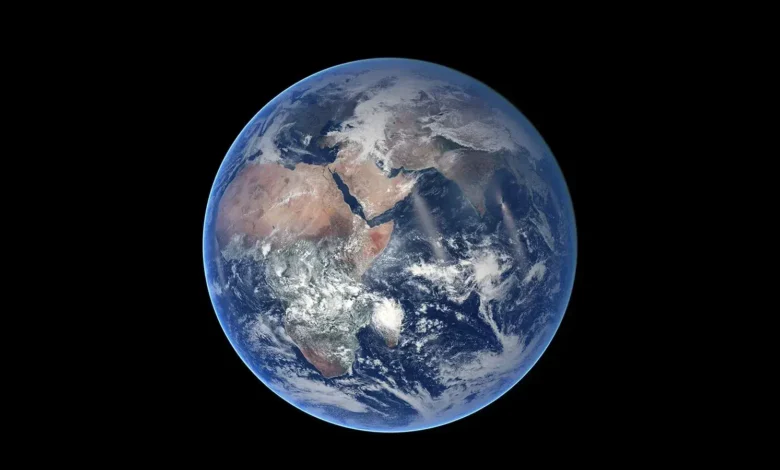
Earth is like a giant living laboratory filled with mysteries waiting to be explored. From erupting volcanoes and moving tectonic plates to hurricanes and melting glaciers, the planet constantly changes in ways that shape human life. Earth science topics help us understand these changes and explain how natural systems work together. Without earth science, predicting weather, preparing for disasters, or protecting the environment would be nearly impossible.
Many people think earth science is only about rocks and mountains, but it is far more exciting than that. It combines geology, meteorology, oceanography, astronomy, and environmental science into one fascinating field. Imagine trying to solve a giant puzzle where every ocean current, cloud pattern, and earthquake provides another clue about the planet. That is exactly what earth scientists do every day.
The importance of earth science has increased dramatically because the world faces major environmental challenges. Climate change, pollution, deforestation, and rising sea levels are affecting millions of lives. Scientists use research, satellites, and advanced technology to study these issues and create solutions for a safer future. Understanding earth science topics not only improves academic knowledge but also helps people make smarter decisions about the planet.
Why Earth Science Matters in Everyday Life
Earth science influences daily life more than most people realize. Every weather forecast on television, every warning about storms, and every map showing earthquake zones comes from earth science research. Farmers depend on climate data to grow crops, pilots rely on atmospheric science for safe flights, and engineers use geological studies before constructing buildings or bridges.
Think about earthquakes for a moment. A city built without understanding fault lines is like building a house on weak ice. One strong shake can destroy everything. Earth scientists study seismic activity to help governments design safer cities and disaster-response systems. Their work saves lives, reduces economic damage, and protects communities from catastrophic events.
Another powerful example is water management. Fresh water is one of Earth’s most valuable resources, yet many regions face shortages. Hydrologists, a type of earth scientist, study groundwater, rivers, and rainfall patterns to improve water conservation. Their research helps provide clean drinking water and supports agriculture around the world. Earth science is not just an academic subject; it is deeply connected to human survival and progress.
The Growing Importance of Earth Science in Modern Society
Modern society depends heavily on scientific understanding of the environment. As populations grow, natural resources become more limited. Earth science provides the knowledge needed to balance development with environmental protection. Without careful management, human activities can damage ecosystems and create long-term problems for future generations.
Climate change has become one of the most discussed earth science topics in recent years. Rising temperatures, stronger storms, and melting polar ice are warning signs that the planet is under pressure. Scientists collect data from satellites, weather stations, and ocean sensors to understand how human activity affects Earth’s systems. Their findings guide international environmental policies and renewable energy projects.
Technology has also transformed earth science research. Artificial intelligence, computer simulations, and satellite imaging now allow scientists to analyze enormous amounts of data quickly. These tools improve weather prediction, monitor pollution levels, and even help track wildlife migration. Earth science is evolving rapidly, making it one of the most exciting and impactful scientific fields today.
Understanding the Main Branches of Earth Science
Earth science is divided into several major branches, each focusing on different parts of the planet. Together, these branches create a complete picture of Earth’s structure, atmosphere, oceans, and relationship with space. Understanding these areas helps students and researchers explore the complex systems that keep the planet functioning.
Geology and the Study of Rocks
Geology is the branch of earth science that studies rocks, minerals, mountains, earthquakes, and Earth’s internal structure. Geologists examine how the planet formed and how it continues to change over time. Rocks may seem ordinary, but they hold clues about ancient environments, volcanic eruptions, and even extinct life forms.
Tectonic plates are one of geology’s most fascinating subjects. These giant sections of Earth’s crust move slowly beneath the surface, causing earthquakes and volcanic eruptions. It is amazing to think that continents are constantly drifting, even though humans cannot feel the movement. This slow process has shaped oceans, mountains, and landscapes for millions of years.
Geologists also help locate natural resources such as oil, gas, minerals, and groundwater. Their work supports industries, infrastructure, and environmental protection efforts. Without geological studies, mining operations and construction projects would become extremely dangerous and unpredictable.
Meteorology and Weather Systems
Meteorology focuses on the atmosphere and weather patterns. Meteorologists study clouds, storms, rainfall, wind systems, and climate behavior. Weather may look random, but it follows complex scientific patterns influenced by temperature, pressure, and moisture.
Storm prediction is one of the most important applications of meteorology. Hurricanes, tornadoes, and floods can cause enormous destruction if communities are not prepared. Modern forecasting systems use satellites, radar, and computer models to provide early warnings. These predictions save thousands of lives each year by giving people time to evacuate dangerous areas.
Climate studies are another major part of meteorology. Scientists analyze long-term weather patterns to understand global warming and environmental changes. Their research helps governments prepare for future climate challenges, including droughts, rising temperatures, and stronger storms.
Oceanography and Marine Exploration
Oceans cover more than 70 percent of Earth’s surface, making oceanography a critical earth science topic. Oceanographers study marine ecosystems, ocean currents, underwater geology, and sea life. The ocean acts like Earth’s heartbeat, regulating climate and supporting countless species.
Ocean currents move heat around the planet, influencing weather and climate systems. Without these currents, many regions would experience extreme temperatures unsuitable for life. Oceans also absorb large amounts of carbon dioxide, helping reduce some effects of climate change.
Marine exploration has revealed incredible discoveries, including deep-sea volcanoes, underwater mountain ranges, and mysterious organisms living in extreme conditions. Scientists continue to study the ocean because much of it remains unexplored. In many ways, the deep sea is more mysterious than outer space.
Astronomy and Earth’s Place in Space
Astronomy examines planets, stars, galaxies, and the universe beyond Earth. Although it focuses on space, astronomy is closely connected to earth science because Earth exists within a larger cosmic system. Studying the moon, sun, and other planets helps scientists understand Earth’s origins and future.
The sun plays a critical role in sustaining life. It provides energy for weather systems, photosynthesis, and ocean circulation. At the same time, solar storms can disrupt communication systems and satellites, showing how connected Earth is to space activity.
Astronomy also explores the possibility of life beyond Earth. Space missions and advanced telescopes continue to search for habitable planets and signs of extraterrestrial environments. These discoveries inspire curiosity and push scientific innovation forward.
Fascinating Earth Science Topics Students Love
Many students enjoy earth science because it explains dramatic natural events and real-world problems. Unlike some subjects that feel abstract, earth science connects directly to visible phenomena people experience every day.
Volcanoes and Earthquakes
Volcanoes and earthquakes are among the most exciting earth science topics because they demonstrate Earth’s immense power. Volcanoes can create new land, release valuable minerals, and shape entire ecosystems. At the same time, eruptions can destroy cities and threaten millions of lives.
Earthquakes occur when tectonic plates suddenly shift beneath the surface. Some quakes are minor, while others cause devastating destruction. Scientists use seismographs and geological monitoring systems to detect earthquake activity and improve warning systems.
The study of these natural disasters has helped engineers design safer buildings and emergency response systems. Countries located near tectonic boundaries invest heavily in earthquake-resistant infrastructure to reduce damage and save lives.
Climate Change and Global Warming
Climate change remains one of the most urgent scientific issues today. Rising global temperatures affect weather patterns, wildlife habitats, agriculture, and sea levels. Scientists continue studying greenhouse gases and environmental policies to reduce harmful impacts.
One positive development is the growing investment in renewable energy sources such as solar and wind power. These technologies reduce dependence on fossil fuels and lower carbon emissions. Many countries are adopting cleaner energy systems to support environmental sustainability.
Despite these efforts, climate challenges continue to increase. Heatwaves, floods, droughts, and wildfires are becoming more common in many regions. Earth science research is essential for understanding these trends and developing long-term solutions.
Positive and Negative Effects of Natural Processes
Nature can be both beautiful and destructive. Earth science helps explain how natural processes create life-supporting environments while also producing dangerous disasters.
| Positive Effects | Negative Effects |
|---|---|
| Fertile soil from volcanic ash | Earthquake destruction |
| Fresh water cycles | Flooding and drought |
| Ocean currents regulate climate | Hurricanes and tsunamis |
| Forest ecosystems support biodiversity | Wildfires and erosion |
Natural systems provide essential resources such as clean air, water, and fertile land. These systems maintain ecological balance and support life on Earth. However, when natural forces become extreme, they can threaten communities and economies.
Understanding these processes allows societies to prepare for disasters while protecting valuable ecosystems. Earth science plays a major role in balancing human development with environmental conservation.
Earth Science and Technology
Technology has revolutionized the way scientists study Earth. Satellites orbiting the planet collect massive amounts of information about weather, oceans, forests, and climate systems.
Satellites and Space Observation
Satellites act like giant eyes in the sky, constantly monitoring Earth’s atmosphere and surface. They help predict storms, track wildfires, and observe environmental changes in real time. Without satellites, weather forecasting would be far less accurate.
Remote sensing technology also supports agriculture and disaster management. Farmers use satellite data to monitor crops and water levels, while emergency teams track floods and hurricanes during crises.
Artificial Intelligence in Earth Science
Artificial intelligence has become a powerful tool in scientific research. AI systems analyze large datasets much faster than humans, helping scientists identify patterns and make predictions.
For example, machine learning models can predict weather changes, monitor pollution, and detect signs of natural disasters. AI is transforming earth science into a faster, smarter, and more efficient field of study.
Career Opportunities in Earth Science
Earth science offers many rewarding career paths for students interested in science and the environment. These careers combine research, technology, and real-world problem-solving.
Environmental Scientist
Environmental scientists study pollution, ecosystems, and conservation strategies. They work with governments, organizations, and industries to protect natural resources and improve environmental policies.
Geologist and Climate Researcher
Geologists explore Earth’s structure and resources, while climate researchers analyze long-term environmental trends. Both careers are essential for addressing modern environmental challenges and supporting sustainable development.
The Future of Earth Science
The future of earth science looks both challenging and promising. Scientists continue searching for solutions to climate change, pollution, and resource shortages. Advances in technology will likely improve environmental monitoring and disaster prediction even further.
Sustainable Living and Environmental Protection
Sustainability has become a global priority. Governments and communities are promoting renewable energy, recycling, and conservation to reduce environmental damage. Earth science research guides these efforts by providing accurate environmental data and scientific solutions.
How Young Students Can Contribute
Students can contribute by learning about environmental issues, supporting conservation projects, and making eco-friendly choices in daily life. Small actions such as saving water, reducing waste, and planting trees can create meaningful positive impacts over time.
Conclusion
Earth science topics open the door to understanding the planet in ways that are both fascinating and essential for human survival. From studying earthquakes and climate systems to exploring oceans and outer space, earth science explains how natural forces shape the world around us. It is a field filled with discovery, innovation, and real-world importance.
As environmental challenges continue growing, the role of earth science becomes even more critical. Scientists, students, and communities all have a part to play in protecting Earth’s future. Learning about the planet is not just about gaining knowledge; it is about building a safer, smarter, and more sustainable world for generations to come.
FAQs
1. What are the main branches of earth science?
The main branches are geology, meteorology, oceanography, and astronomy. Each branch studies different parts of Earth and space systems.
2. Why is earth science important?
Earth science helps people understand weather, natural disasters, climate change, and environmental protection. It improves safety and supports sustainable living.
3. What are interesting earth science topics for students?
Popular topics include volcanoes, earthquakes, climate change, fossils, renewable energy, and ocean exploration.
4. How does technology help earth science?
Technology such as satellites, AI, and computer models helps scientists predict weather, monitor climate, and study environmental changes more accurately.
5. What careers are available in earth science?
Students can become geologists, meteorologists, environmental scientists, climate researchers, or oceanographers.