
Introduction
When you hear the name Princess Isabella of Denmark, you might imagine royal elegance, historic palaces, and a life filled with privilege. But there’s more beneath the surface. Born into one of Europe’s most respected monarchies, Isabella represents a new generation of royals—modern, relatable, and increasingly involved in real-world responsibilities. Her life blends tradition with transformation, making her a fascinating figure not just in Denmark but globally.
At just 18 years old in 2026, Princess Isabella is already stepping into roles that reflect both responsibility and change. From her education to her groundbreaking decision to undertake military training, she is rewriting what it means to be a princess in today’s world.
This article explores her journey, highlights her strengths, acknowledges the challenges she may face, and offers a complete, human-centered look at her life. Whether you’re curious about royal families or simply inspired by young leaders shaping the future, Isabella’s story offers both inspiration and insight.
Quick Bio of Princess Isabella of Denmark
| Attribute | Details |
|---|---|
| Full Name | Isabella Henrietta Ingrid Margrethe |
| Birth Date | April 21, 2007 |
| Age (2026) | 18 years |
| Birthplace | Copenhagen, Denmark |
| Parents | King Frederik X & Queen Mary |
| Siblings | Prince Christian, Prince Vincent, Princess Josephine |
| Position | Second in line to the Danish throne |
| Education | Øregård Gymnasium |
| Notable Milestone | Military training starting August 2026 |
Early Life and Royal Background
Princess Isabella was born into the Danish royal family on April 21, 2007, in Copenhagen. Her birth was celebrated with a 21-gun salute, marking her importance as a royal child and reflecting Denmark’s long-standing traditions.
Growing up in a royal household might sound like a fairy tale, but it also comes with immense expectations. From a young age, Isabella has been exposed to public attention, official ceremonies, and the weight of representing her country. Yet, her upbringing has been carefully balanced to ensure she experiences a relatively normal childhood alongside her siblings.
Her parents, King Frederik X and Queen Mary, have played a significant role in shaping her personality. They emphasize education, humility, and social responsibility—values that are increasingly visible in Isabella’s actions today. Unlike older royal traditions that often kept children within palace walls, Isabella’s life includes school, friendships, and experiences similar to other teenagers.
Education and Personal Growth
Education has always been a cornerstone of Princess Isabella’s development. She began her schooling in Denmark and later experienced international education in Switzerland, although that stay was cut short due to the global pandemic.
Currently attending Øregård Gymnasium, she follows in the footsteps of her father, showing a strong connection to family traditions while embracing modern academic pathways. Her educational journey reflects a blend of discipline and adaptability—qualities essential for someone preparing for future leadership.
But here’s the interesting part: her education isn’t just about academics. It’s about preparing for life in the public eye. Imagine balancing homework with royal duties, public appearances, and media scrutiny. That’s the reality she faces daily.
At the same time, challenges exist. Being constantly observed can limit personal freedom and create pressure to perform perfectly. Yet, Isabella appears to handle this with composure, showing maturity beyond her years.
A Historic Role in the Danish Monarchy
Princess Isabella holds a unique place in Danish history. Thanks to changes in the Danish Act of Succession, she became the first princess not to lose her position to a younger brother.
This change represents a significant step toward gender equality within the monarchy. It sends a powerful message: leadership is no longer defined by gender but by capability. Isabella’s position symbolizes progress and reflects broader societal changes in Denmark and beyond.
Being second in line to the throne also means she carries immense responsibility. Every action, every decision, and even her public image contributes to how the monarchy is perceived. It’s both a privilege and a burden—one that requires careful balance.
Military Training: A Bold and Modern Step
One of the most remarkable developments in Princess Isabella’s life is her decision to undergo military training starting in August 2026.
This move is groundbreaking. She will become the first female member of the Danish royal family to undertake official armed forces training. It’s not just symbolic—it’s a statement about equality, duty, and leadership.
Think about it: a princess trading royal gowns for military uniforms. It challenges traditional stereotypes and shows a willingness to engage directly with national service. This decision aligns with Denmark’s broader efforts to modernize its military and include women in conscription.
However, this path isn’t without challenges. Military life demands discipline, physical endurance, and resilience. For someone in the public eye, every step will be scrutinized. Success will inspire many, but any misstep could attract criticism.
Public Image: Strengths and Pressures
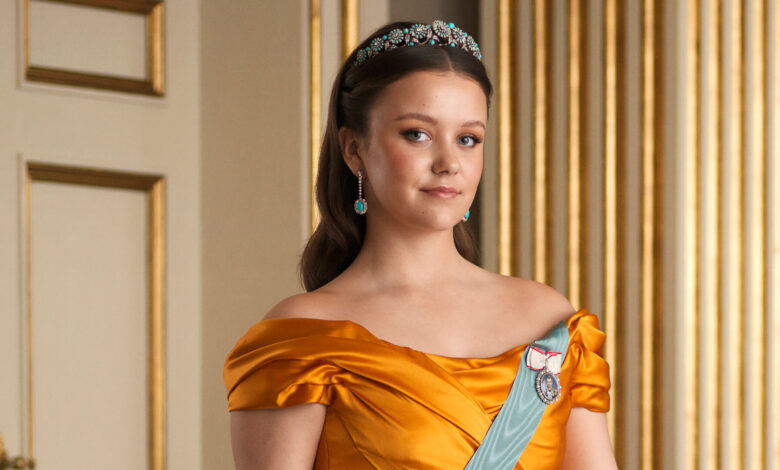
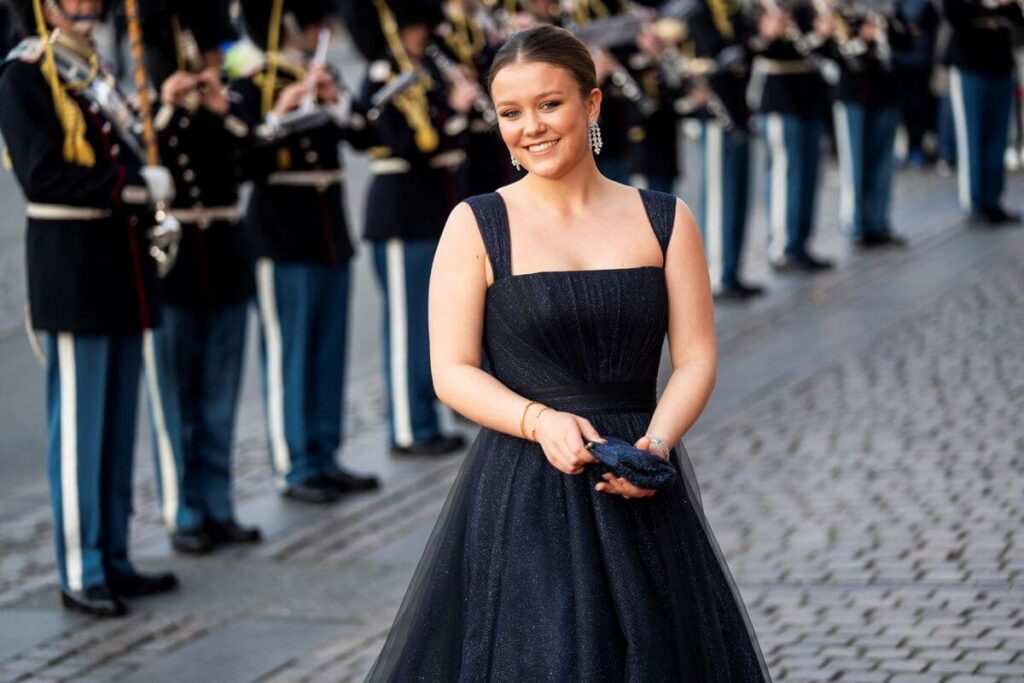
Princess Isabella’s public image is largely positive. She is often seen as poised, elegant, and relatable—a combination that resonates with younger audiences. Her 18th birthday portraits, where she wore a tiara for the first time, marked her transition into adulthood and solidified her royal identity.
But let’s be honest—being a royal in the digital age isn’t easy. Social media, global news coverage, and public expectations create constant pressure. Every outfit, gesture, or statement can become a topic of discussion.
On the positive side:
- She represents modern royalty
- She connects with younger generations
- She supports evolving gender roles
On the negative side:
- Limited privacy
- High expectations
- Constant scrutiny
Balancing these factors is no small task. Yet, Isabella appears to navigate this landscape with grace and confidence.
The Future of Princess Isabella
Looking ahead, Princess Isabella’s future is filled with possibilities. As second in line to the throne, she is likely to take on more official duties, represent Denmark internationally, and contribute to charitable causes.
Her military training could shape her leadership style, making her more grounded and connected to the realities of her country. It also sets a precedent for future royal generations, encouraging active participation rather than symbolic roles.
At the same time, the future is unpredictable. The monarchy itself is evolving, adapting to changing societal expectations. Isabella’s role will likely evolve alongside it, requiring flexibility and vision.
Conclusion
Princess Isabella of Denmark stands at the intersection of tradition and transformation. She embodies the elegance of royal heritage while embracing the responsibilities of a modern world. Her journey—from a young princess to a future leader—is both inspiring and complex.
Her strengths are clear: intelligence, adaptability, and a willingness to challenge norms. Yet, she also faces undeniable challenges, including public scrutiny and the weight of expectation. This balance of positive and negative realities makes her story deeply human.
As she steps into adulthood and begins her military training, one thing is certain—Princess Isabella is not just part of Denmark’s history; she is actively shaping its future.
FAQs About Princess Isabella of Denmark
1. Who is Princess Isabella of Denmark?
Princess Isabella is the daughter of King Frederik X and Queen Mary of Denmark. She is second in line to the Danish throne and a prominent member of the royal family.
2. How old is Princess Isabella?
As of 2026, she is 18 years old, having been born on April 21, 2007.
3. What makes Princess Isabella historically significant?
She is the first Danish princess who retained her place in the line of succession despite having a younger brother, marking a shift toward gender equality.
4. What education does Princess Isabella have?
She is currently studying at Øregård Gymnasium and has also experienced international schooling in Switzerland.
5. Will Princess Isabella become queen?
While she is second in line, she would only become queen if her older brother, Prince Christian, does not ascend the throne.